
 Chronicles
From the MyRSF.net archives of the RSF Post
Coronavirus and COVID-19
Author: Phil Trubey
Date: March 12, 2020
Two days ago, I told myself I wouldn't write about this since I thought people were overreacting and I didn't want to be part of that.
I've changed my mind.
Here is what I've learned over the past day or so. And since this situation is changing every day, I'll post additional information in this Coronavirus COVID-19 thread.
First, if you have fifteen minutes, click here to listen to this interview posted on March 10, two days ago.
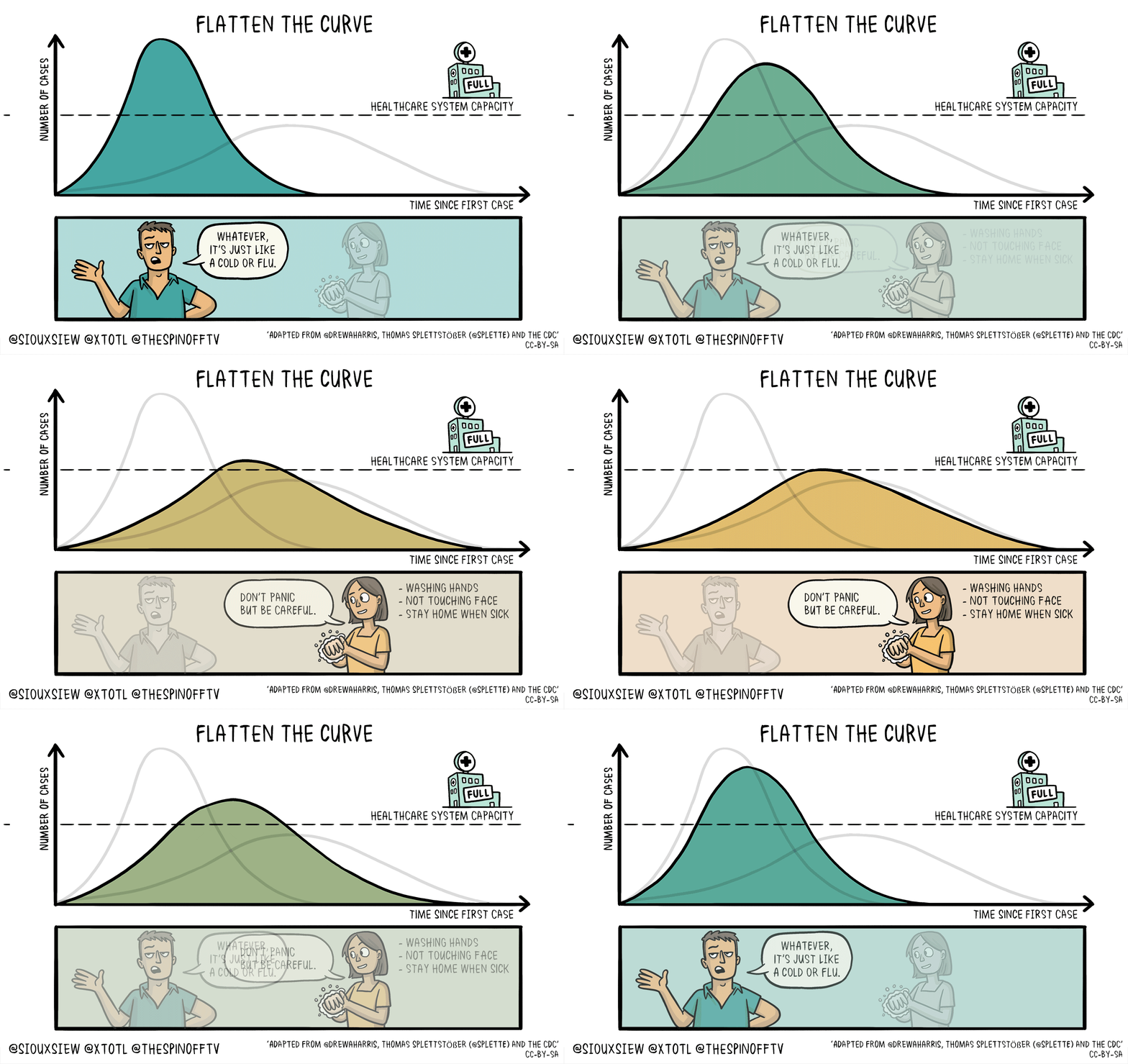
The important take away from the video is that this virus kills people at a very high rate (a lot higher than seasonal influenza), it is highly contagious, and people are contagious before symptoms occur. It will spread far and wide through the US, it's just a matter of time. At this point, the only thing we can do is to slow the spread so that healthcare facilities don't get overwhelmed as they have done so in Italy, China and elsewhere.
You may hear the phrase "flattening the curve". This means that if we are successful in slowing the spread of the virus, our healthcare facilities will be able to cope. If we aren't successful, they won't.
US Response
In addition to Trump's expansion of travel bans (now no flights from Europe), the US is responding in various ways.
Broadway is shutting down in New York, with the last show taking place tonight. This is in response to New York's ban of gatherings of large numbers of people.
Sports leagues are shutting down. There are too many stories to link to and the list is changing hourly, but here's a recent article.
Conferences are being cancelled and businesses are cancelling travel, opting to use audio and video conferencing instead.
And just as I was writing this, I got an alert on my phone announcing restrictions on mass gatherings for San Diego County (click here to read).
Overreaction?
You might be thinking this is all an over reaction. And for where we are now, it is. But while no one can predict the future, medical experts are telling us that we are likely about three weeks behind where is Italy is now. IE. if we don't change our behavior, we too will have hospitals triaging patients, deciding which ones to treat and which ones will be left to die. Right now, if you are sick with COVID-19 in parts of Italy, the patients least likely to survive are being left to die. That's what an overwhelmed healthcare system must do.
With that in mind, the current US response is probably not dire enough.
Recommendations
The US response, at all levels of government, business and academia will evolve as more information comes out on this fast changing, dynamic disease. For now, better safe than sorry. Here's what we can all individually do:
- Read this article by a doctor I know.
- If you have COVID-19 symptoms (fever, dry cough, difficulty breathing, body aches), see a doctor right away. Get tested and self quarantine until results come back. Do not panic if results are positive. For most people, this is a like a cold. For others, it is deadly, so don't put others at risk if you have symptoms.
- Stop shaking hands. Stay six feet away from people when talking to them. Indeed, if you can use the phone or conference call, do that instead.
- Consider delaying travel plans. Being cooped up on a plane for several hours with recirculated air isn't the best thing to do. And travelling to other countries right now is asking for trouble considering that travel restrictions could be imposed at any time.
- If you can, consider working from home.
- For no good reason, toilet paper is being hoarded. My wife literally couldn't find any toilet paper in three stores yesterday. I bought the last few packages from a nearby pharmacy. While this might be a harbinger of what is to come, I personally don't think we need to start stocking up and hoarding (except maybe toilet paper of all things).
- Wash your hands often. Fingers pick up viruses from infected surfaces and then we frequently rub our eyes and faces.
- Now's good time to check out what Netflix, Hulu, Disney+, etc. have to offer, especially now that sports are shutting down.
Chances are good that if we implement these and other similar measures, our community will only be mildly impacted. No need for panic, just be thoughtfully careful.